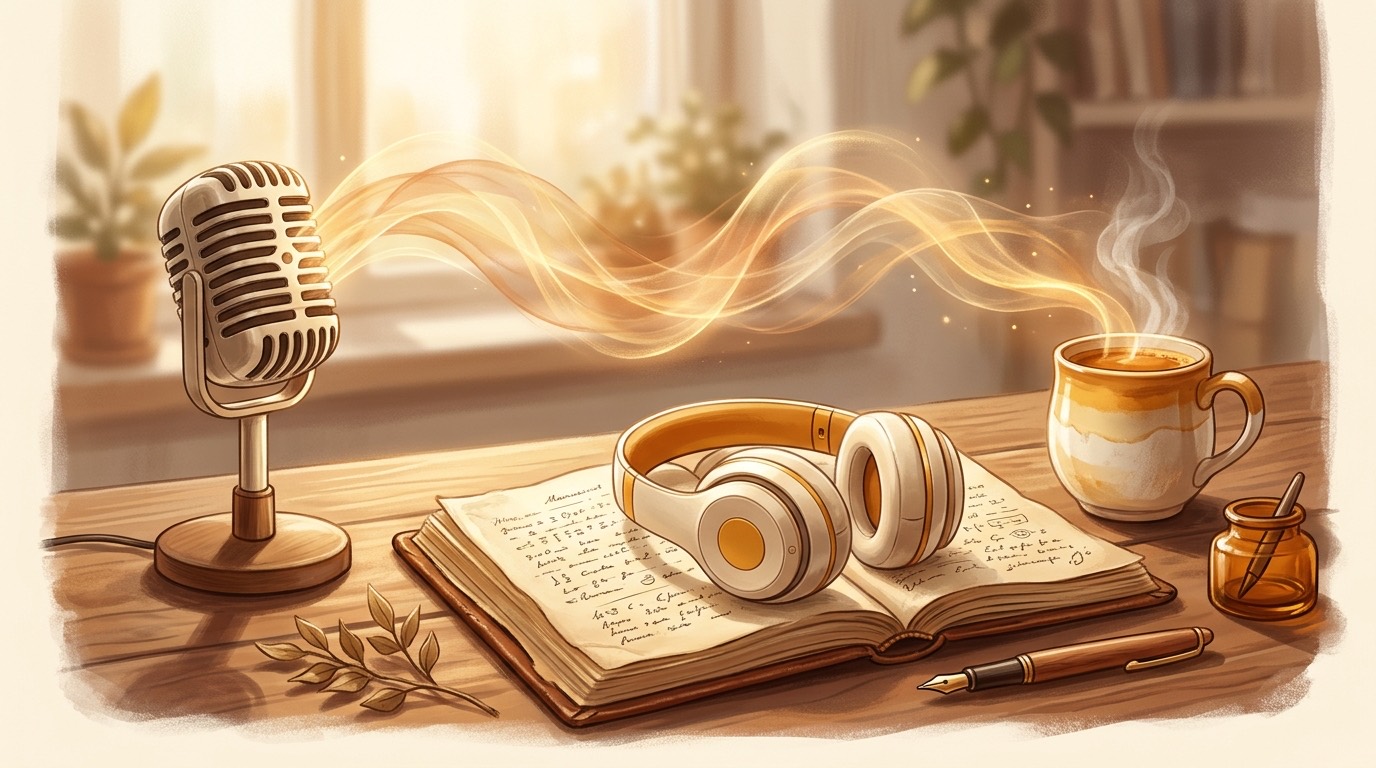
Who Owns an AI-Narrated Audiobook? Copyright, Voices, and Licenses
Have a manuscript ready? Turn it into an audiobook with AI voices.
If you have finished a manuscript and started wondering who actually owns the audio once a synthetic voice reads it, you are asking the right question at the right time. The short answer on AI narration copyright: you still own the copyright in your book, but whether the generated audio earns its own separate copyright is unsettled when the voice output is fully automated. What you can rely on more firmly is the license from your voice tool and the human choices you make while directing the production.
This is general information, not legal advice, and it focuses on United States law. Other countries handle AI and authorship differently, so if real money or a contract is on the line, talk to a copyright attorney. With that said, let me walk you through how the pieces fit together.
Four layers, four different questions
"Who owns the audiobook" sounds like one question, but it is really four. Pulling them apart makes the whole thing far less confusing.
| Layer | What it is | Who generally holds it | What to check |
|---|---|---|---|
| The book | Your text, the literary work | You, as the human author | If AI helped write it, keep records of your own contribution |
| The audio | The recording as a sound recording | Unsettled for fully machine-generated output; human direction, selection and editing can count | How much of the result reflects your decisions |
| The tool terms | The license from your voice provider | Set by the provider's terms | Commercial use rights for your plan |
| The voice itself | Likeness rights in a person's voice | The person whose voice it is, in many cases | Permission for any cloned or imitated voice |
Your copyright in the book does not disappear because a machine read it aloud. The U.S. Copyright Office makes the same point about recordings generally: a sound recording is a separate work from the words it captures. Its Circular 56 on sound recordings says the copyright in a recording covers the recording itself and not the underlying words. So the book and the audio are two works, even when you control both.
What the Copyright Office says about machine-made output
The Office's Part 2 report on copyrightability, published in January 2025, concluded that copyright requires human authorship and that prompts alone do not give a user enough control to be the author of what an AI system produces. The same report says human-authored material you contribute, your creative selection and arrangement, and your own modifications to AI output can be protected. The Office says this is assessed case by case. You can find the full series on the Copyright Office AI page.
Apply that to narration and you get an honest, slightly uncomfortable answer. If you paste text into a voice tool, press a button, and publish the raw file, you have a weak argument that you authored the audio as a recording. If you assign different voices to characters, rewrite passages so they read well aloud, fix pronunciations, adjust pacing, cut and arrange chapters, and master the final mix, you have contributed human choices that look much more like authorship. Nobody can promise how a court or the Office would treat any particular production, and I will not pretend otherwise.
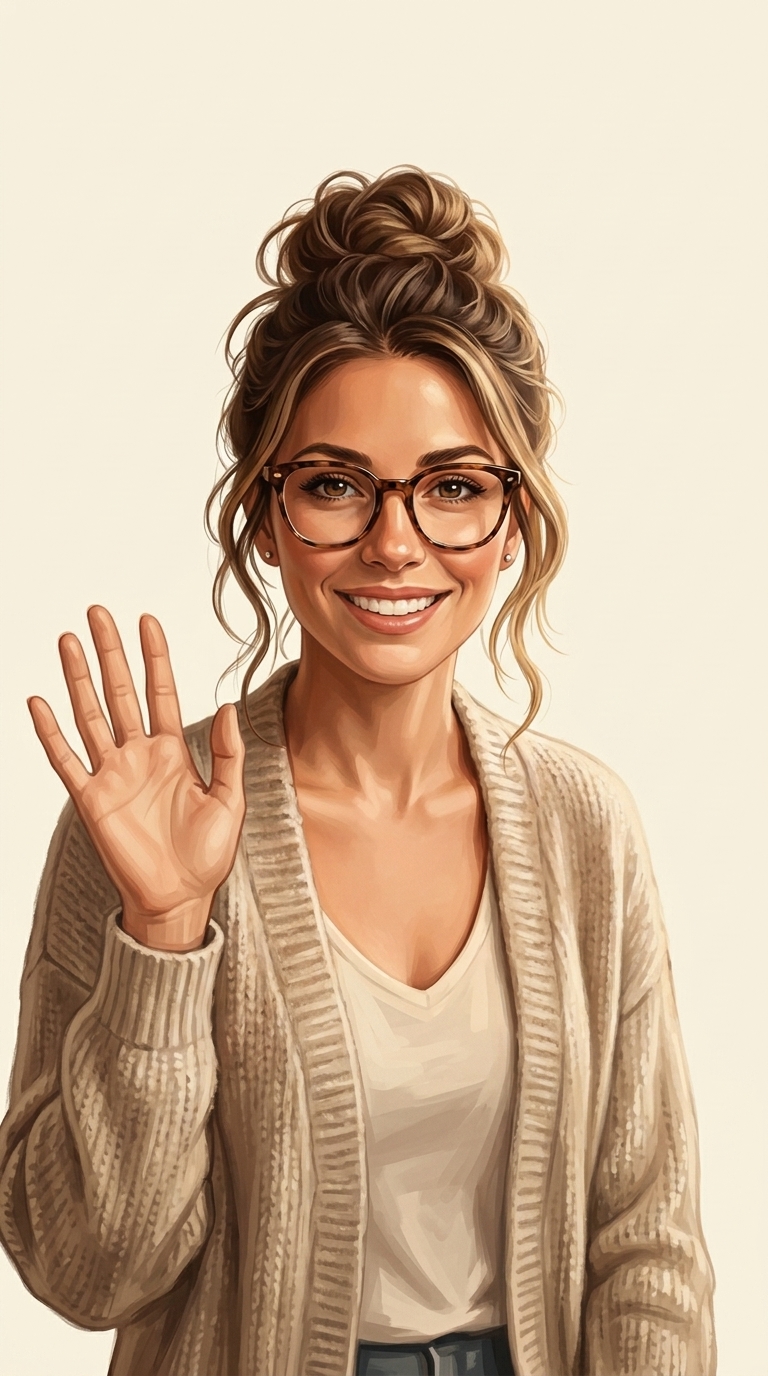
Think of the voice like a microphone that happens to read for you. The more you direct it, the easier it is to say the finished audio is yours.
The license and the voice matter more than the theory
Because the copyright question for generated audio is open, the practical protection is the contract with your voice provider. Take ElevenLabs as an example. Disclosure: the ElevenLabs and Copyrightable mentions in this article are affiliate links, so audie.ai may earn a commission if you sign up. According to the ElevenLabs help center page on publishing content generated on the platform, paid plans include a commercial license and the free plan does not allow commercial use. The page also attaches conditions, including that you hold the rights to the content you put in and that you follow the terms and prohibited use policy. It says cloned voices need appropriate permission. As of this writing, check that page directly, because terms change.
That means a free-tier audiobook that you sell is a problem no matter how the copyright debate turns out. If you want a closer look at the tool itself, my guide to ElevenLabs for audiobooks covers where it shines and where it falls short.
Voice likeness is a separate issue. Copyright is only one way a voice can be protected. Someone's voice can also raise likeness and publicity concerns, which is a different body of law. The Copyright Office's Part 1 report on digital replicas, released in July 2024, looks at AI imitations of voices and likenesses and the concerns they raise.
The takeaway for you is simple. Use stock or library voices that your provider licenses for commercial work, and never clone a real person's voice, including a narrator you admire or a celebrity, without written permission. Cloning your own voice is a different situation, but read your provider's terms first.
Owning the audio is one thing and selling it is another. Read what authors need to know about AI voices on Audible before you pick a store.
Stores can restrict AI narration regardless of ownership
Owning something does not mean every store will accept it. ACX's written policy says audiobooks must be narrated by a human unless otherwise authorized, and it prohibits unauthorized text-to-speech or AI recordings. In practice, AI-narrated books have reportedly been approved, so real-world outcomes have varied. That uneven picture means a rejection or an account problem is a real risk, and I would not build a launch plan that depends on ACX waving it through. My breakdown of ACX and AI narration explains the current wording and how to think about the risk.
A checklist and common mistakes before you publish
- Confirm you own the text and the audio rights to it. If a publisher holds audio rights, none of the rest matters until that is sorted out.
- Use a paid plan with a commercial license, and save a copy or screenshot of the terms as they read on the day you generated the audio.
- Use only voices you are licensed to use. Get written permission for any cloned voice.
- Keep your drafts, voice assignments, pronunciation fixes, edit notes and mastering settings. This is your evidence of human direction.
- Check each store's current AI narration rules and labeling requirements before uploading.
- If the written book was also AI-assisted, document that part too. Copyrightable is free to capture your prompts, edits and decisions as you work, which gives you a record to point to later.
If you want to dig into the written side, see whether you own an AI-written book. For registration mechanics, my guide on how to copyright an audiobook walks through the book and the recording step by step.
A few mistakes come up again and again in this area, so here they are in one place:
- Assuming the tool's license equals copyright. A provider's terms can tell you what you may do with the output, but they cannot create copyright that the law does not recognize.
- Publishing straight from a free plan. Commercial use is the line that matters, and the free plan does not allow it.
- Cloning a voice without permission. Even if the software lets you, the rights question stays with the person whose voice it is.
- Throwing away your working files. If anyone ever questions your authorship, the notes and drafts are your best answer.
- Treating the store's approval as proof of ownership. Acceptance by a retailer says nothing about who holds the copyright.
Frequently Asked Questions
Does using AI narration mean I do not own my audiobook?
No. Your copyright in the book stays with you. The open question is whether the generated audio earns a separate copyright of its own when it is fully machine-made. Your direction, selection and editing are human contributions that can strengthen your position, assessed case by case.
Is it legal to sell an audiobook narrated by an AI voice?
Whether it works for you depends on your rights in the text, the license from your voice provider and the rules of the store. On ElevenLabs, for example, the help center says paid plans include a commercial license and the free plan does not. Check the live terms and each store's policy.
What is the difference between my book copyright and audio copyright?
The book copyright protects the words you wrote. A sound recording is a separate work, and the Copyright Office's Circular 56 says the copyright in a recording does not cover the underlying words.
How can I show that I directed the audio?
Keep a record as you go: which voices you chose for which characters, the text changes you made for listening, pronunciation corrections, edits and the final mix settings. Copyrightable is free to capture your process for the written side, and a simple folder of dated notes works for the audio.
Disclaimer: I am a guide, not an attorney. This is general information and not legal advice. For specific concerns, consult a qualified copyright attorney.
Sources
- U.S. Copyright Office: Copyright and Artificial Intelligence
- Part 2: Copyrightability report (PDF)
- Part 1: Digital Replicas report (PDF)
- Circular 56: Copyright Registration for Sound Recordings (PDF)
- ElevenLabs help center: publishing content generated on the platform
Rights sorted? Then the fun part is next: you choose the voices, you direct the read, and the finished files are yours to check.
When you are ready to turn your manuscript into audio you control, make your audiobook with Audie. Assign voices by character, listen, adjust, and keep your notes as you go.
Audie
Audie is your guide to making audiobooks with AI at audie.ai. She helps authors turn a manuscript into a professional multi-voice audiobook - no studio, no fuss.